
The Power of Sound Design
One of the most fascinating aspects of a casino’s design is the strategic use of sound. Casinos carefully curate the auditory experience to manipulate emotions and enhance the gambling atmosphere. Distinctive sounds, such as the jingling of coins or celebratory music for a jackpot, serve to create a sense of excitement and urgency. This auditory stimulation reinforces positive experiences, subtly encouraging players to engage in longer gaming sessions and explore options like visa fast withdrawal casino opportunities that enhance their overall enjoyment. The careful selection of these sounds is no accident; it is a calculated effort to build a rich sensory environment that captivates and retains player attention.
The background noise in casinos is also intentionally engineered to mask unpleasant sounds. By drowning out shouting, losses, or other negative cues, casinos cultivate an environment that feels more enjoyable. Research has shown that certain frequencies can trigger emotional responses, which is why casinos often play upbeat music at a specific tempo to maintain a vibrant atmosphere. This combination of strategic sound choices contributes significantly to the overall psychological experience for the gambler, creating a euphoric effect that can lead to prolonged gaming sessions and increased spending.
Moreover, the impact of sound goes beyond immediate reactions; it can influence decision-making processes and spending behaviors. For example, faster-paced music has been linked to quicker bets and riskier behavior. When players are entranced by lively tunes, their cognitive ability to evaluate risks diminishes, making them more likely to wager larger sums of money. Hence, sound design becomes a crucial player in a casino’s strategy to enhance profits while providing a thrilling atmosphere, effectively ensuring that players remain immersed in the experience for as long as possible.
Illusion of Control
Another psychological trick employed by casinos is the illusion of control. Many games, particularly those involving skill, such as poker or blackjack, entice players with the perception that their decisions can significantly influence outcomes. This perceived agency can lead to increased engagement and the willingness to take risks, as players feel empowered by their choices. In reality, however, the outcomes of these games are often dictated by chance, which can lead to hefty losses. This manipulation of player perception is a fundamental aspect of how casinos operate, keeping players invested even when their chances of winning are slim.
This technique is particularly effective in slot machines, where players have the option to press buttons or pull levers. The act of making a choice creates a false sense of control, even in a game that is entirely random. When players believe they are in command, they are more likely to continue playing, investing time and money into games that ultimately favor the house. This psychological manipulation makes it challenging for individuals to recognize the true odds against them, leading to potential financial pitfalls as they chase after the elusive win.
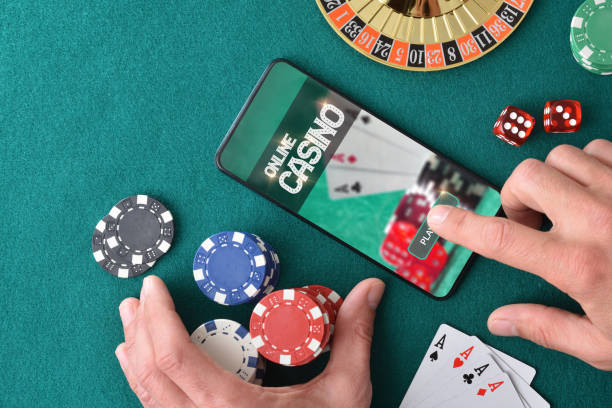
Furthermore, the illusion of control can lead to the gambler’s fallacy, where players believe that previous outcomes will influence future results. If someone experiences a series of losses, they may be convinced that a win is “due,” persuading them to gamble more. This fallacy not only increases the time spent in the casino but can also lead to a dangerous cycle of chasing losses, ultimately resulting in substantial financial implications for the player. Understanding this psychological trick is essential for anyone engaging in gambling, as it serves as a reminder of the importance of maintaining a rational perspective.
Environment and Ambiance
The physical environment of a casino is meticulously designed to create an immersive experience that encourages spending. From the layout of the gaming floor to the use of colors and lighting, each aspect plays a role in influencing behavior. For example, many casinos use vibrant colors like red and gold, which are associated with excitement and luxury. This visual stimulation works to entice players into exploring the space and taking part in the games available. The overall design not only aims to attract potential players but also to keep them engaged long enough to increase their likelihood of gambling more.
Moreover, casinos often incorporate features such as plush carpets and comfortable seating to prolong the time spent on the gaming floor. The absence of clocks and natural light can create a disorienting experience, leading players to lose track of time. This sensory manipulation keeps players engaged, often resulting in extended gambling sessions that can further drain their finances. The layout is intricately designed to guide players through the casino, encouraging them to discover different gaming options while subtly promoting increased betting.
Interactive elements, such as free drinks and attractive waitstaff, enhance the gaming experience and encourage players to remain at the tables and slots longer. When players feel pampered and valued, they are more likely to disregard their budget and continue playing. This carefully crafted ambiance transforms gambling into a pleasurable activity, making it challenging for players to recognize when to walk away. The combination of comfort and indulgence creates an environment where rational decision-making can easily be overshadowed by the allure of the gaming experience.
Social Proof and Peer Pressure
Social dynamics also significantly influence gambling behaviors in casinos. The presence of other players can create a sense of community, leading individuals to engage in riskier behavior. This phenomenon, known as social proof, occurs when individuals observe others winning or celebrating, which can trigger a desire to join in and replicate those experiences. The contagious nature of excitement and success can encourage players to increase their wagers, often overlooking their personal limits. This behavioral response illustrates how the collective atmosphere of a casino can amplify individual decision-making, sometimes with detrimental effects.

Casinos often leverage this by organizing tournaments or events that encourage competition among players. The visibility of others winning big prizes can create a narrative that success is attainable, further motivating individuals to gamble. This environment can lead to a reckless abandon of caution, as the thrill of the collective experience overrides rational decision-making. The allure of being part of a winning crowd often leads players to chase after elusive victories, which can result in significant financial losses as they ignore their own gambling limits.
In addition, the role of loyalty programs can amplify peer pressure among players. As individuals accumulate rewards and status through frequent play, they may feel compelled to maintain their participation to uphold their social standing within the gaming community. This can create a cycle of repeated visits and increased spending, as players strive to keep up with their peers and sustain their perceived status in the casino hierarchy. The social aspect of gambling thus becomes a powerful motivator, often leading to behavior that prioritizes social acceptance over financial prudence.
Discover More About Psychological Strategies
To delve deeper into the fascinating world of psychological strategies employed by casinos, it’s essential to recognize the multifaceted approaches used to entice and retain players. Understanding these techniques can empower individuals to make more informed decisions about their gambling habits and protect their financial interests. Knowledge is the first step towards fostering healthier relationships with gambling environments. By educating themselves about the psychological tricks at play, players can better navigate their experiences and minimize potential harm.
Moreover, exploring the intersection of psychology and gambling can enhance our understanding of why certain strategies are so effective. The insights gained can be used to develop better frameworks for responsible gaming, ensuring that players are equipped with the tools to recognize these psychological tricks and resist their influence. As the gambling industry continues to evolve, awareness and education become critical in navigating these complex experiences. Players who are informed are less likely to fall prey to the manipulative tactics employed by casinos.
By engaging with various resources, such as articles and seminars on gambling psychology, players can cultivate a more discerning approach to their gaming experiences. Greater awareness of the psychological factors at play can help mitigate the risks associated with gambling while still allowing for enjoyment in a controlled and responsible manner. Recognizing these dynamics not only enriches personal understanding but also contributes to a more informed community of players, promoting a culture of responsible gambling that benefits everyone involved.
